Each day begins with Scripture and leads us toward a Christ-centered reflection, prayer, and a life that remembers His faithfulness.
September 19, 2026 — September 19, 2027
Every devotional remains here.
This one-year journey began on September 19, 2026 and concludes on September 19, 2027. The newest devotional appears first, and every published reading remains here.
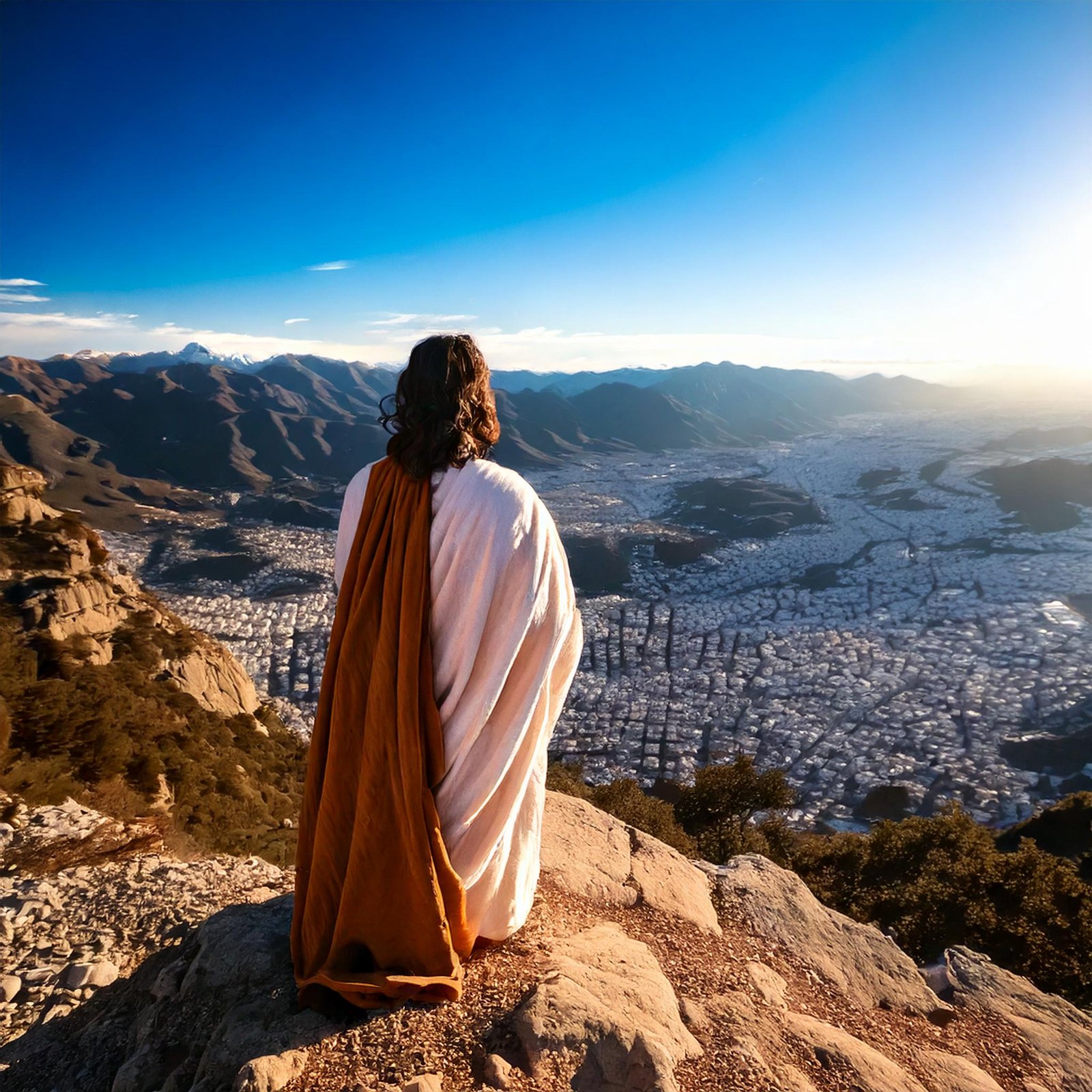
James reminds us that we are accountable for the good we leave undone. Sometimes we already know what obedience looks like: keeping a promise, correcting a mistake, or reaching out to someone who needs help. Yet we put it off, waiting for a more convenient moment.
In the Lord’s Prayer, Jesus teaches us to ask our Father for what we need today. Bread is something ordinary, yet Jesus makes it part of prayer. We can speak to God about the food on our table, the work that provides for us, and the help we need when resources are scarce.
The writer of Hebrews reminds us that Jesus, our high priest, understands our weaknesses. He faced temptation without sinning. Because of Him, we can come to the Father with confidence, even when we feel ashamed or struggle to find the words to pray.
The psalmist describes God’s Word as a lamp close to his feet. A lamp gives us enough light to see where to place our feet, even when the rest of the path is still out of sight. In the same way, Scripture can show us how to act faithfully today while questions about tomorrow remain unanswered.
When the ark of the covenant was brought to Jerusalem, David gave the people a song of thanksgiving. The song called them to remember what God had done and to make His glory known beyond Israel. Their gratitude was meant to be shared with people of every nation.
The angel Gabriel spoke these words to Mary after announcing that she would give birth to Jesus. Mary asked how this could happen. Gabriel pointed her to God’s power, and Mary entrusted herself to what God had spoken.
The apostle Paul invites us to be intentional about what we dwell on. The conversations we replay and the stories we tell ourselves can shape how we see people and how we respond to them. Giving our attention to what is true and good helps us act with wisdom and love.
The apostle Paul encourages Timothy to serve with integrity and care in how he teaches God’s Word. Our first responsibility is to God. That means taking the time to understand what Scripture says before we use it to guide a decision or offer advice.
At the close of the Sermon on the Mount, Jesus compares those who hear His words and obey them to a wise builder. A firm foundation takes shape as we put His teaching into practice through our daily decisions.
The psalmist treasures God’s words as a guide for his life. Keeping them in his heart means remembering them, valuing them, and allowing them to shape his decisions. His desire to avoid sin grows from a heart that wants to honor God.
The writer of Hebrews calls us to listen to God and respond with faith. His Word reaches deep within us, revealing thoughts and intentions that we may overlook or prefer to hide. Before Him, we can open our hearts honestly and receive His correction.
The apostle John begins his Gospel by revealing who Jesus is: the eternal Word, who was with God and was God. His existence precedes creation. Later, John explains that the Word became flesh and dwelt among us, making the Father known.
The apostle Paul reminds Timothy that Scripture comes from God and prepares us to live according to His will. Through His Word, God teaches us the truth, reveals our errors, corrects our direction, and trains us to do what is right.
In this psalm, David recognizes that God knows him completely. His prayer invites us to open our hearts to God’s examination, allowing Him to reveal what needs correction and entrusting our entire lives to Him.
The apostle Paul gives thanks to the Father for rescuing believers from the dominion of darkness and bringing them into the kingdom of His beloved Son. This rescue is God’s work of grace: through Jesus, we receive forgiveness and a new life under His loving authority.
After describing the armor of God, the apostle Paul calls believers to remain in prayer. Praying in the Spirit means depending on His guidance and help as we bring our needs before God, seeking His will.
James encourages believers to remain faithful through testing and temptation. The crown of life points to the eternal life the Lord promises to those who love Him. This hope strengthens us to persevere, trusting in His grace.
Through the prophet Isaiah, God speaks to the people of Israel and reminds them that He is with them. His promise to strengthen, help, and sustain them gives them reason to trust amid uncertainty.


 Do the good you know to do055